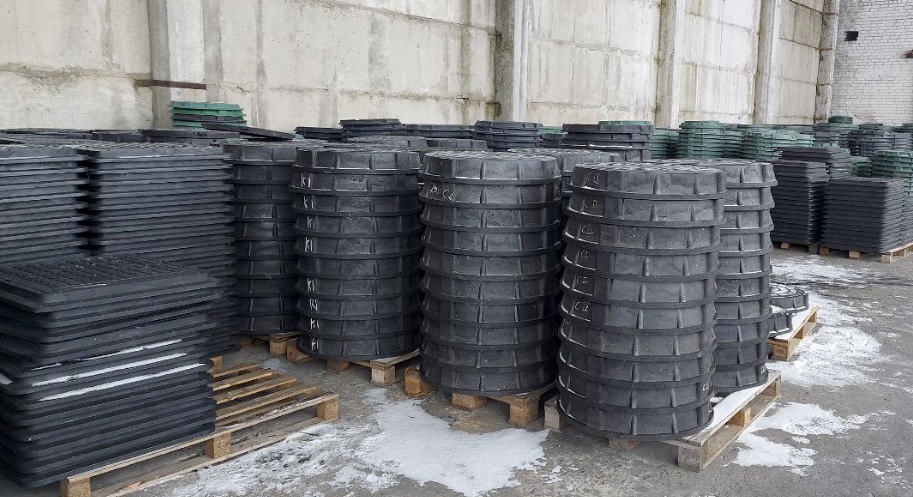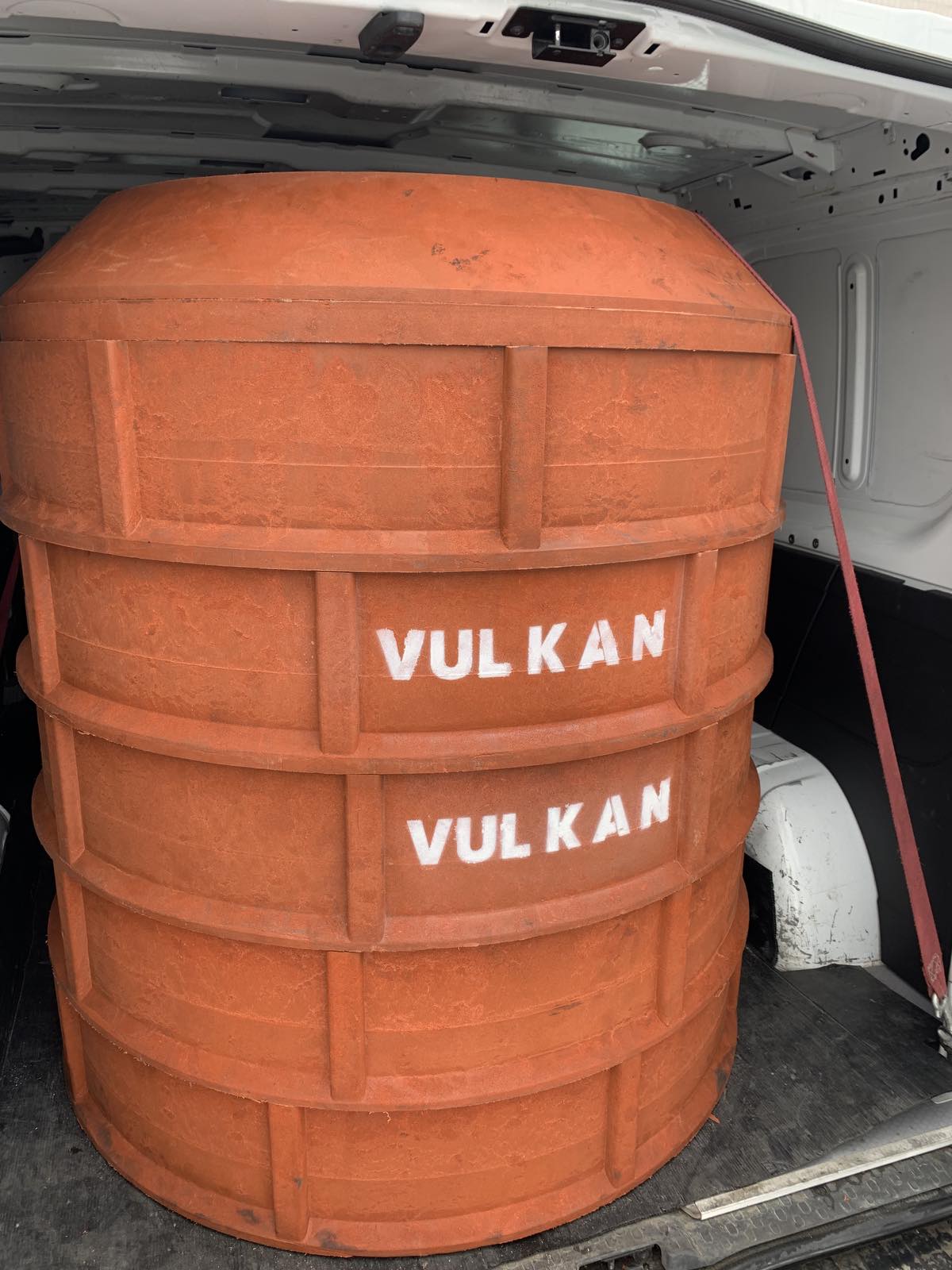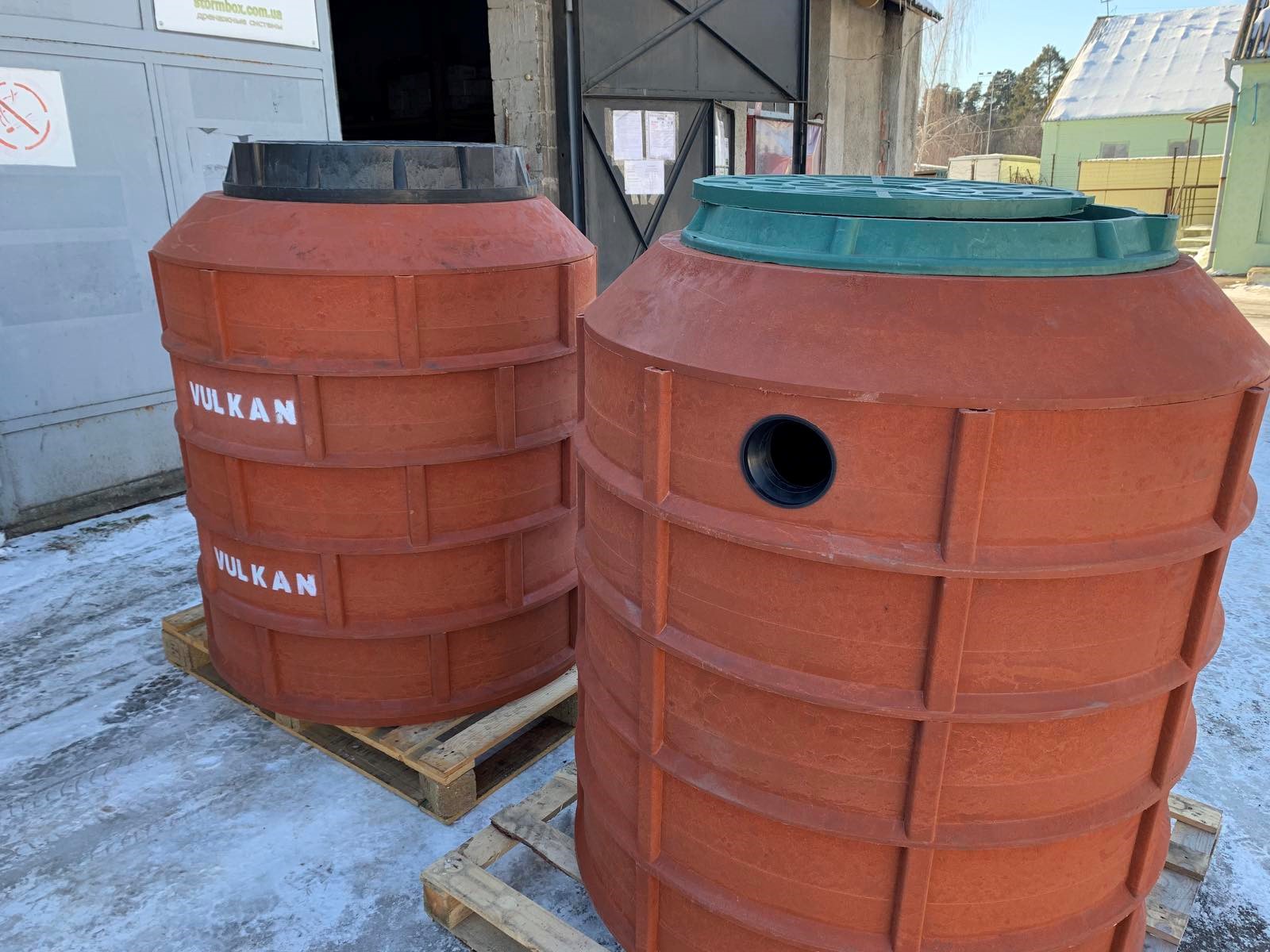
Composite-polymer wells Vulkan for sewage are an integral part of every home. It, in turn, consists of parts of well pits. The latter were previously made of clay, wood, brick and reinforced concrete, but today composite and polymer materials are gaining more and more popularity. Such is the composite well VULKAN, the price of which is affordable, since it is made of a combination of polymers and fine quartz. What are its advantages and disadvantages, features of operation and composition? We will try to give comprehensive answers to these and other questions.
Polymer wells – design features, composition
Initially, the walls of the canal were lined with waterproof wood slabs. Then, over time, they began to use reinforced concrete rings. Recently, polymer-sand wells, which combine the advantages of wooden and reinforced concrete rings, are gaining more and more popularity, but they are much easier to install, besides, they have an affordable cost.
The material for making composite wells is plastic, colored iron oxide pigments and fine sand with a humidity of 0.1%-10%. Alluvial sand is best suited for this – it is strong, no cavities are formed in it. The sand must be dry, because if the material is too wet, the cost of making the well will increase – it will be necessary to evaporate excess water. But even after getting rid of water, it will be very difficult to achieve the desired quality – sand is unstable to moisture and adverse weather conditions and does not last long.
Since dyes are added to it during the preparation of the mixture, after production, the finished product is burned together with the paint. Thus, the pigment becomes an integral part of the item, its molecular structure, does not burn out in the sun and does not require additional painting.
Main indicators, characteristics
In the composition of VULKAN polymer-composite wells, most of it is quartz – 60-75%, it is it that provides the strength and stability of the product. The second part is paint and polymer plastic. They provide maximum water resistance and resistance to adverse weather conditions.
The hot pressing method is used to produce the material. This makes the material strong, resistant to moisture and adverse natural conditions, but at the same time lightweight. The polymer can withstand rapid temperature changes, including critically low, down to -70 ° C, about 500 freezes and thaws. The material is also resistant to corrosive chemicals, which is very important, considering the aggressive sewage environment. When cleaning the well, you do not have to worry that any agents and solutions will destroy its structure.
Features of use
The well goes deep into the ground, where it is exposed to sewage, chemicals, which can also get into the sewage system. In addition, the ground freezes in winter, then melts, and heats up in summer. Given these conditions of use, it is important that the product is resistant to constant temperature changes, moisture and aggressive substances, otherwise the structure will begin to leak over time.
In terms of resistance to moisture, adverse weather conditions, temperature changes and ease of installation, polymer products are superior to cast iron, wooden or reinforced concrete products, because in similar operating conditions they can withstand up to 50 years. At the same time, polymers are relatively inexpensive.
The edges of each polymer part contain grooves that provide maximum tightness of the joints. When installing the well, it immediately takes a vertical position, which is also an undoubted advantage.
However, it is worth considering that wells made of polymer sand also have a number of disadvantages.
- Poor resistance to mechanical influences. If you want to clean the well, use scrapers that are not too hard, otherwise there is a risk of damaging the walls, after which the product will not be tight.
- When there are holes in the structure, it is quite difficult to repair them. It is much easier to replace the part. To do this, you need to dig the well to the level of damage and transfer all the parts.
However, if the rules of operation and installation are followed, polymer sewage will serve without failures for about five decades. This is an excellent indicator at an affordable price!
Scope of application
Today, polymer wells are widely used in private homes, industrial facilities and highways. They are used for the production of tanks for technical fluids, sewage tanks, arrangement of drainage wells, hermetic walls for caissons of wells.
Hermetic structures made of polymer rings well retain contaminants inside, prevent their penetration into the environment, and at the same time are resistant to chemicals and temperature changes.
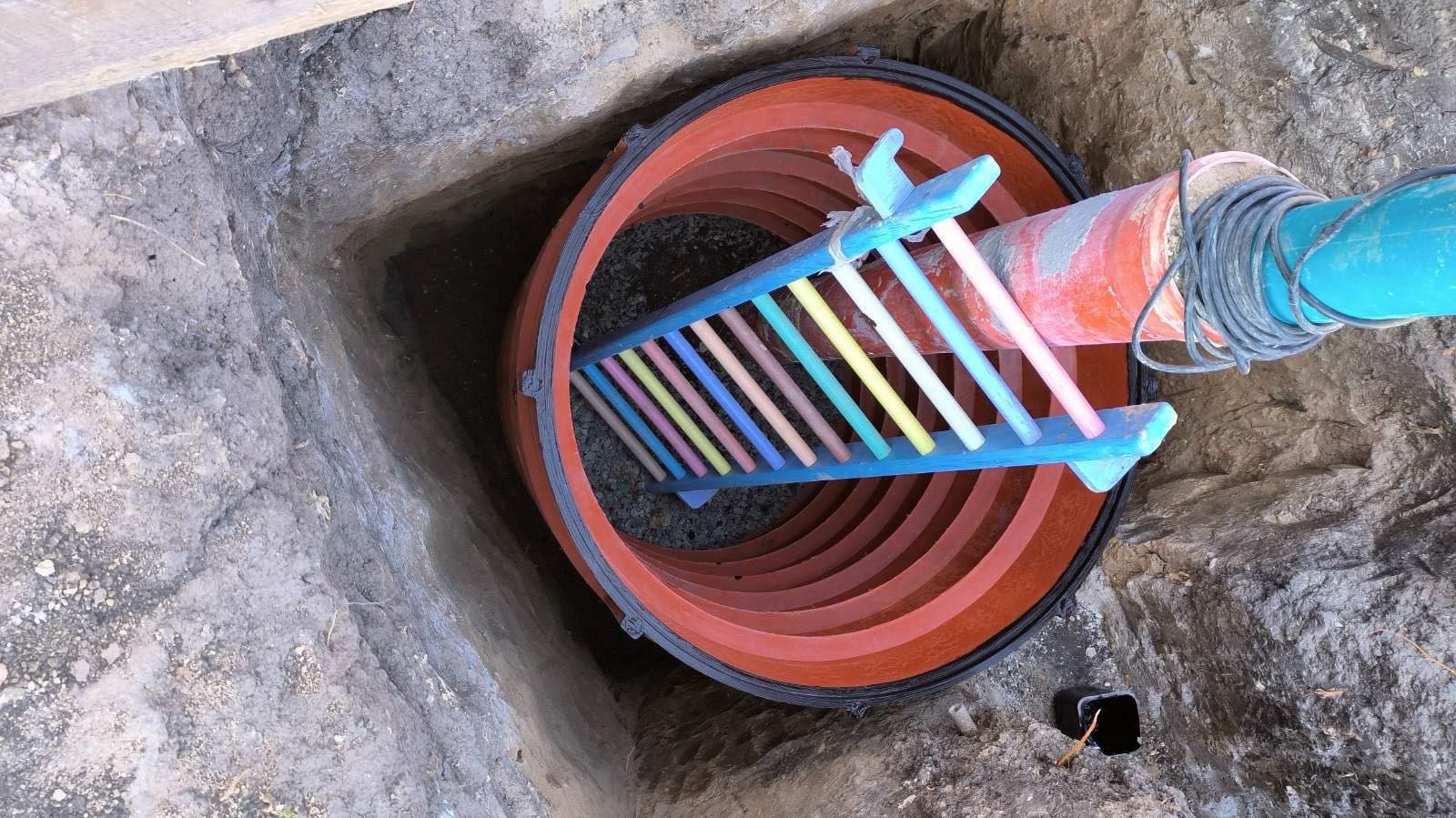
The construction of polymer wells is quite simple:
- round base or bottom;
- hatch;
- rings;
- transition neck or cone.
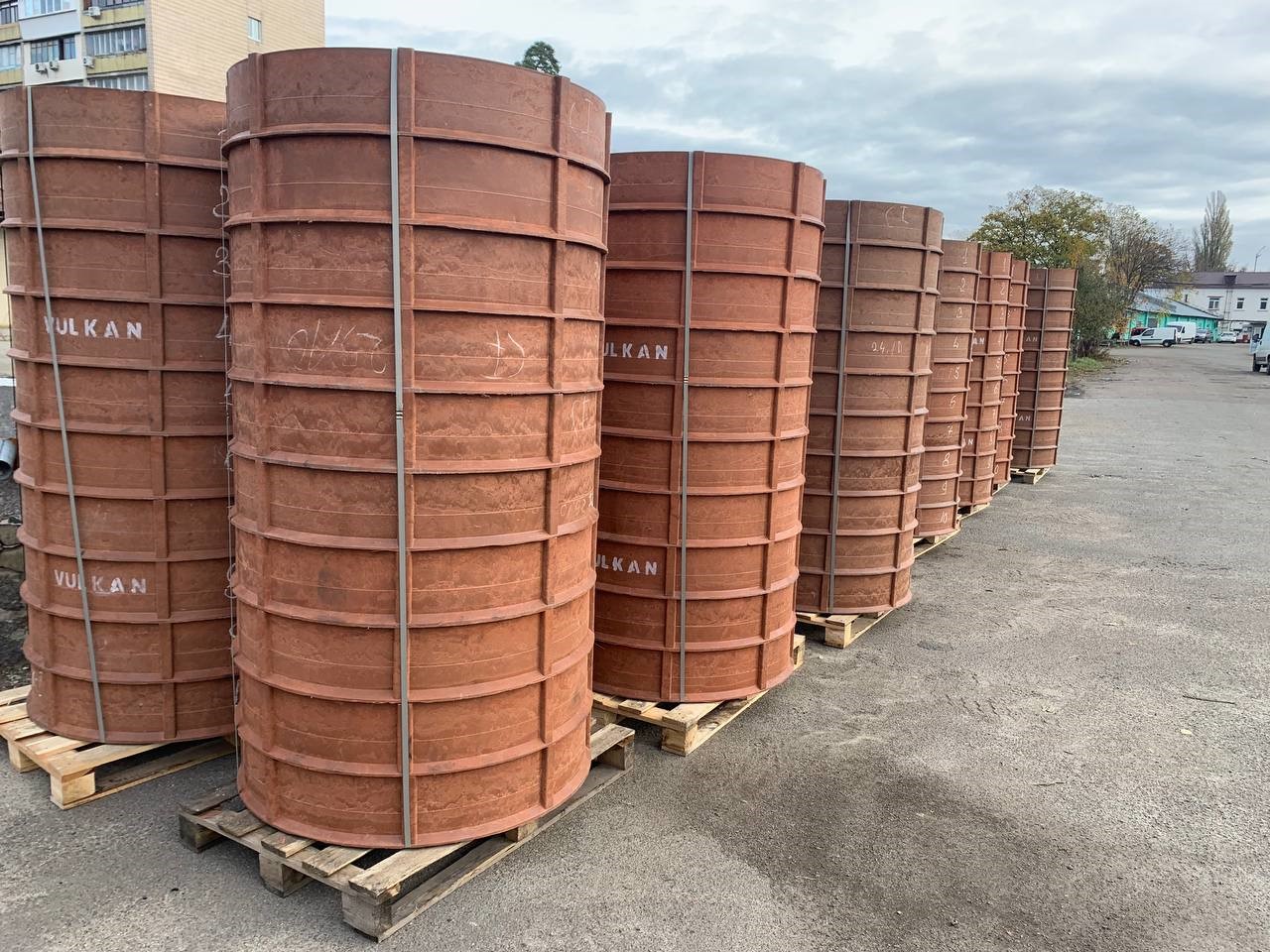
The thickness of the base is about 4.5-5 centimeters, the width of the ring is 20 cm. You can build a well of any size and depth, it all depends on the number of rings. The more of them, the deeper the well. The dimensions of the hatch are different and depend on the load, while the height of the cone is 14 centimeters. Each part is equipped with connecting elements – spikes (protrusions) and grooves (notches). They are reliably connected to each other, which ensures maximum tightness of the structure.
Advantages of polymer manholes:
- Resistance to adverse weather conditions – moisture, temperature changes, frost and heat, the effects of corrosive chemicals.
- The low weight of the polymer ring is only 40-45 kilograms (for comparison, the weight of a reinforced concrete ring is 600-700 kg). This facilitates the transport of materials, loading and unloading by just two people.
- Ecological and safe material for nature and people. The polymer does not release toxins into the environment, does not harm the environment.
- Compactness, ease of use thanks to the system of grooves ensuring tightness. Polymer rings are easy to process and do not require special skills.
- Possibility to make sewage structures of any depth and size. To make a deeper well, you only need more rings.
- Easy connection of the sewer pipe to the house, setting up the system.
- Relatively low cost compared to analogues. The total price should include the cost of not only the material, but also transportation and installation.
- Quality and long service life – up to 50 years.
- Relatively small weight of both individual parts and the entire structure.
- Easy installation. There is no need to use heavy equipment. Two workers and a rope are enough to install the well.
VULKAN polymer-composite wells, the price of which is competitive, can be purchased in the warehouse of our company or our partners in Poland.